

 繁體中文
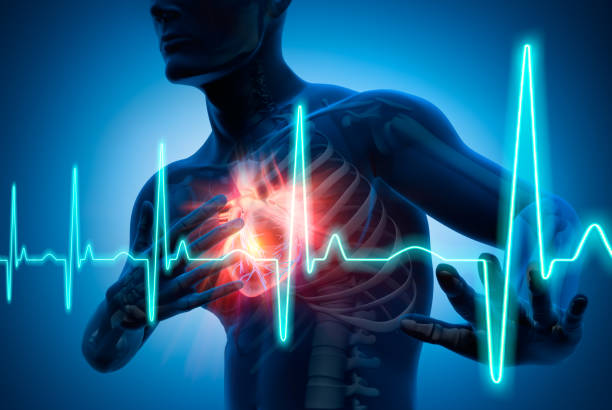
Angina Pectoris
The incidence of refractory angina in the United States ranges from 600,000 to 1.8 million. Over the past several decades, pharmacologic, invasive, and surgical treatments for cardiovascular disease have improved, resulting in increased life expectancy. However, despite the availability of a wide range of drugs and invasive procedures, patients remain asymptomatic until the onset of disease and the efficacy of treatment is limited. Extracorporeal counterpulsation (EECP) is a safe, noninvasive, and highly tolerable physical therapy for patients with refractory angina. Numerous studies have documented positive clinical outcomes in at least 80% of patients receiving EECP, including a reduction in angina and nitrate use, increased exercise tolerance, and improved quality of life. A number of mechanisms, including enhanced collateral blood flow, improved endothelial function, reduced inflammation, and an exercise-like peripheral training effect, contribute to the clinical benefits of EECP.
Numerous studies have demonstrated that EECP consistently reduces angina, prolongs the duration of exercise-induced ischemia, reduces nitroglycerin dependence, increases physical performance, and improves quality of life in symptomatic, stable angina patients.

Stroke
Improving tissue perfusion of the periinfarct cortex can enhance neuroplasticity and improve functional recovery after stroke. Strengthens the cortex
Treatments for motor function are beneficial for motor recovery. However, the effect of increased cerebral blood flow on cortical motor excitability remains absent
Humans are being explored. Extracorporeal counterpulsation therapy (ECP) is a non-invasive method to improve perfusion of vital organs. It passes
During diastolic, an air-filled cuff is used to apply pressure to the lower extremities according to the electrocardiogram. Increase and retraction in diastolic blood flow
After contraction, the heart is reduced and blood flow to the heart, brain, and kidneys increases.